
A Southern Weakness for General Stores

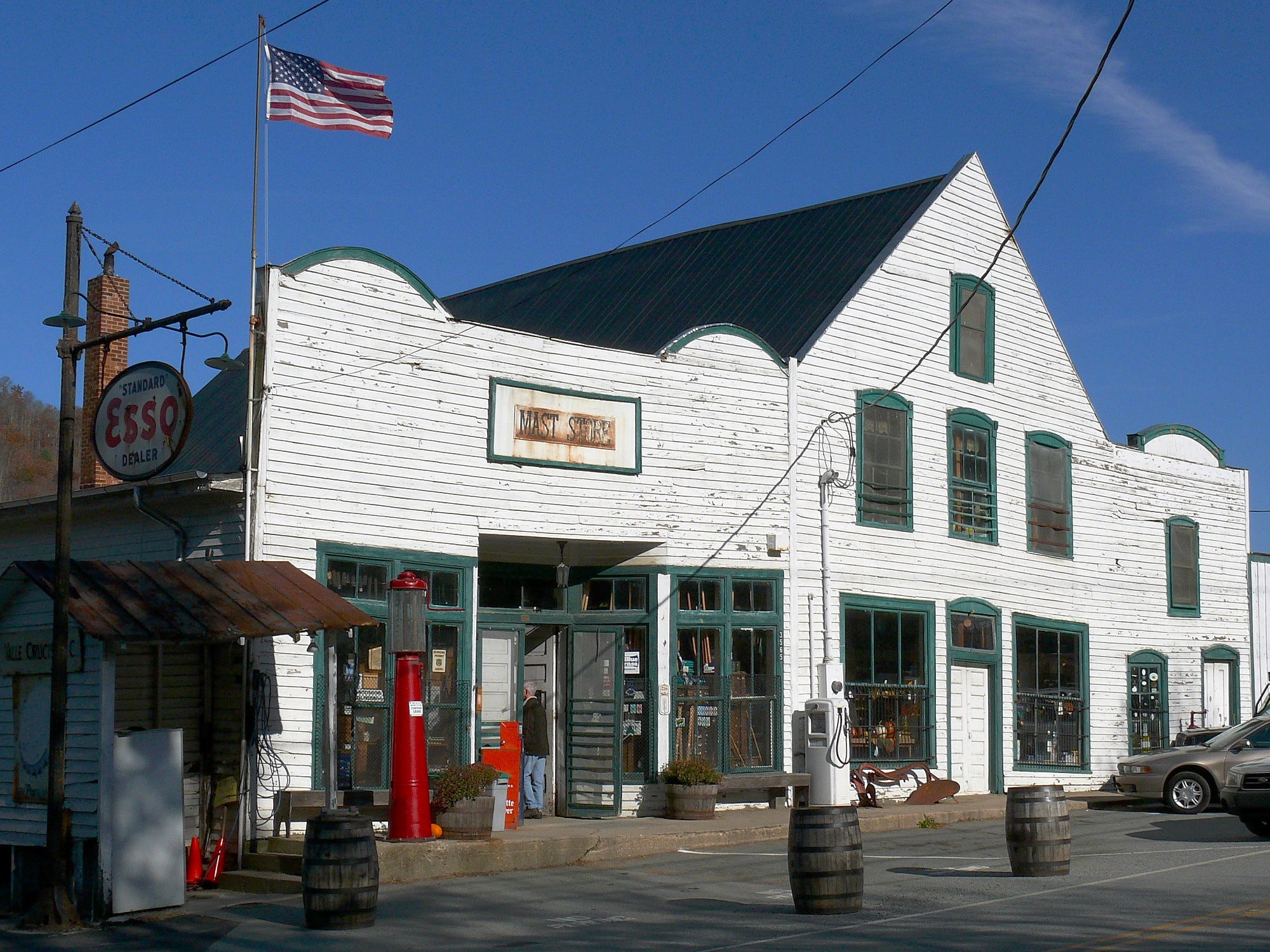
I’ve always loved an old general store.
There’s something about the nostalgia of these places. Long before Amazon, Walmart, and the cold sameness of modern retailing, there were general stores.
General stores helped build America. They were the original one-stop shops for settlers carving out lives on a new frontier. If you needed seed for the spring garden, nails for a barn, flour for the pantry, a new pair of work gloves, or news from the next county over, the general store was where you went.
When I visit one today, I find myself thinking about those original stores and the people who built them. Not just the storekeepers, but the families who depended on them. Men and women pursuing dreams on the edge of a growing nation.
When I say “frontier,” it’s easy to picture the version we’ve seen in movies all our lives. Cowboys. Gunfights. Dust. Tumbleweeds.
But there was a time when even my beloved Georgia was the frontier.
Growing up, when we learned about the court cases and events that eventually led to the Trail of Tears, I imagined them unfolding somewhere out West. It never really occurred to me as a child that those stories happened right here in Georgia, not far from where I was raised. The frontier wasn’t always Arizona or Montana. For a time, it was North Georgia.
Perhaps part of the draw is family history.
One branch of Momma’s family helped settle Miami through a small general store that eventually grew into the Burdines department store chain. Long before it became a retail institution known throughout South Florida, it was simply a store serving the needs of a young and growing community.
It’s easy to think of places like Miami as if they sprang into existence fully formed, but every city starts somewhere. Before the skyscrapers, resorts, and shopping malls, there were merchants selling food, supplies, tools, and dry goods to people trying to build new lives. In that sense, Burdines wasn’t just a store. It was one small piece of the foundation upon which a city was built.
Another branch of my family operated Hagood Mill in South Carolina. While not technically a general store, it served a similar purpose. The mill wasn’t merely a business. It was an essential part of daily life, helping support the farms, families, and communities that were taking root across the region.
Maybe that’s why I’ve always felt drawn to these places. They remind me that every community, whether it’s Miami, a mountain town in North Georgia, or a crossroads in rural South Carolina, was built by ordinary people creating the institutions that their neighbors needed.
One of my family’s favorite examples is the Old Sautee Store in the Sautee Nacoochee Valley of North Georgia.
If you’ve never been there, imagine the general store you’ve carried around in your head since childhood. A weathered building nestled beneath the mountains. Wooden floors worn smooth by generations of visitors. Shelves crowded with local crafts, preserves, gifts, and old-fashioned treats. A front porch made for sitting and watching the world pass by.
In the winter months, a fire crackles in the old fireplace. The smell of wood smoke mixes with coffee and mountain air. For a few minutes, you can almost convince yourself that modern life has slowed down.
Our family rarely makes a trout fishing trip to that part of North Georgia without stopping there.
Once you’ve experienced a place like Old Sautee, you start noticing kindred spirits all over the South.
My oldest daughter has always loved Creekside General Store along the highway between Clayton and Hiawassee. Like many great mountain stores, it manages to offer a little bit of everything while somehow making you feel welcome enough to stay awhile.
Stripling’s General Store has become a Georgia institution. What started in South Georgia as a meat market and country store has grown into a destination known for its butcher shop, smoked meats, and legendary beef jerky. Their location between Monroe and Athens has become one of my wife’s and my regular Christmas shopping stops.
Boss Brothers Country Store holds a special place in our family story because both of my daughters worked there during high school. What began as a feed store has grown into something much larger while remaining firmly rooted in the agricultural community that helped build it.
Then there’s Social Circle Hardware.
Despite the name, it still feels remarkably close to the spirit of an old-fashioned general store. Hardware, grills, hunting supplies, gifts, candy, archery equipment, and even a shooting range all somehow fit together under one roof. Every Christmas season, we find ourselves wandering the aisles looking for gifts we didn’t know we needed.
More recently, we’ve become fond of Tomato House Farms in Murrayville. It’s another reminder that the best stores aren’t always the biggest stores. Sometimes they’re simply places where local products, friendly faces, and Southern hospitality happen to share the same address.
Of course, my affection for general stores doesn’t stop at the Georgia state line.
No conversation about Southern general stores would be complete without mentioning Mast General Store.
What began as a small mountain mercantile has grown into a collection of stores spread throughout the Southern Appalachians. The Cooper family didn’t simply preserve historic buildings. They preserved an experience. Walking into a Mast store means finding hiking boots beside cast-iron cookware, old-fashioned candy beside outdoor gear, and enough unexpected treasures to keep you browsing for an hour longer than planned.
And then there’s the Conecuh Sausage gift shop in Alabama.
Technically, it isn’t a general store.
But it certainly feels like one.
For countless families headed toward Gulf Coast vacations, it’s become an essential stop. Part roadside attraction, part gift shop, part shrine to smoked sausage, it captures the same spirit that makes great general stores memorable. You stop for one thing and leave with five.
Maybe that’s what I love most about these places.
General stores remind us of a time when communities were smaller and distances felt larger. When stores weren’t merely places to buy things but places to exchange stories, gather news, and catch up with neighbors.
Most of the old general stores are gone now. Walmart and Amazon saw to that.
But every now and then you’ll find one still standing beside a mountain road, tucked into a small town square, or waiting at the edge of a country highway.
And if you’re anything like me, you’ll pull over every single time.
This was a fun read. I’m interested in small towns with interesting names and backstories, especially if the jumbled letters make a good puzzle. You mentioned Hiawassee in your post, I must now check it out.